Electropolishing, Pickling & Passivation: Choosing the Right Process for Your Application
When it comes to surface finishing, the stakes are higher than many realise. Specify the wrong process and you risk …


When it comes to treating stainless steel, achieving a clean, uniform, and corrosion-resistant surface is paramount. Chemical pickling is a fundamental process in achieving this, but it requires a level of expertise to execute correctly.
As specialists in metal surface finishing, we want to share our authoritative insight into this essential process, from its application and risks to its critical partnership with passivation.
At its core, pickling is a process of chemical micro-etching. Using a formulated solution of dilute acids, the treatment removes weld heat-affected zones, surface contaminants, and other imperfections.
The result is a uniformly clean surface with a distinctive matt grey finish, perfectly prepared for its end-use or for subsequent passivation.
As shown in the treatment of welded areas, pickling is highly effective at removing the discolouration and scaling (heat tint) that results from welding, which are common points for corrosion to begin.
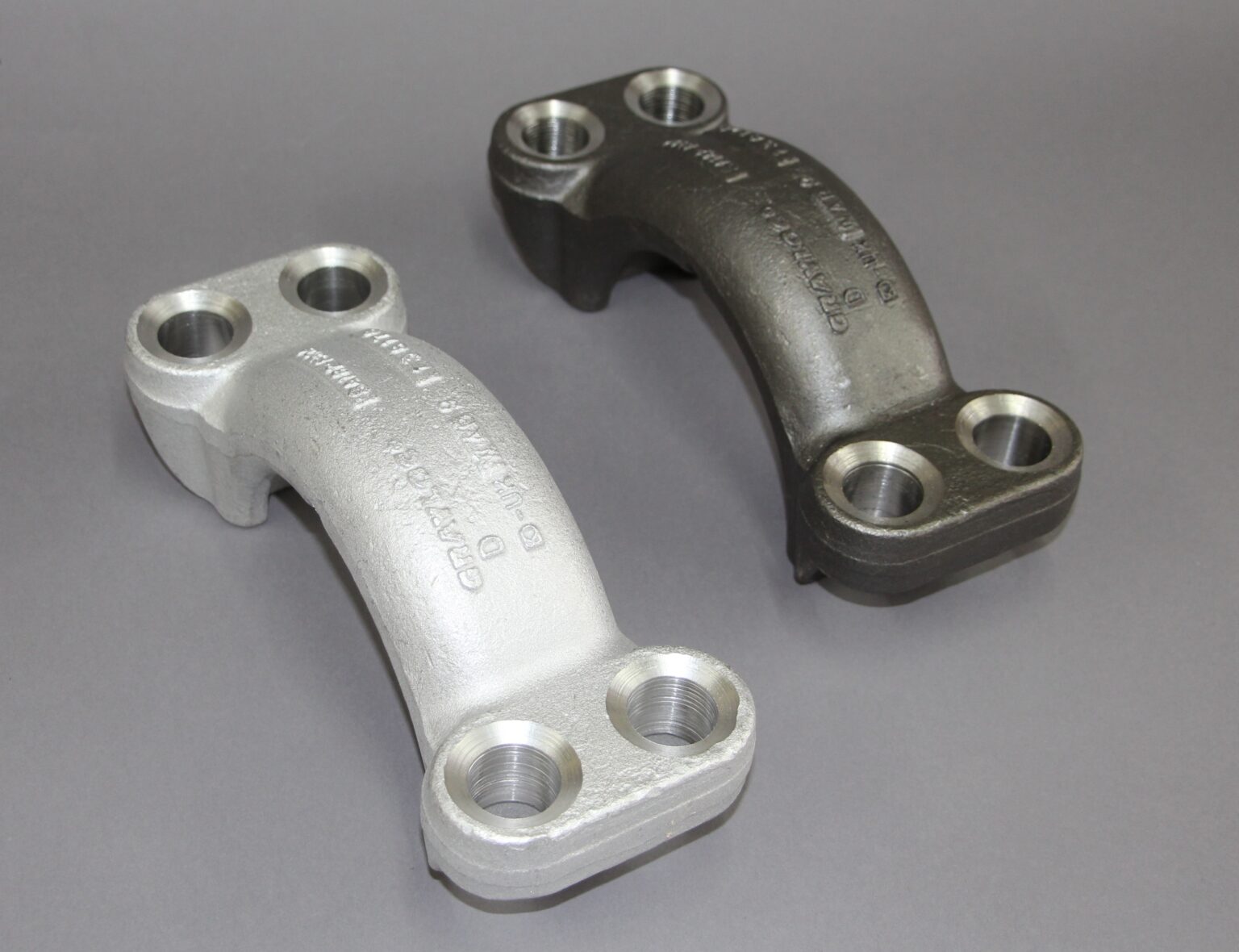
Pickling is not a one-size-fits-all solution. Different grades of stainless steel react differently to acid treatment.
Caution: Not all Stainless Steel is Alike Certain types of stainless steel are not suitable for lengthy immersion in a strong acid pickle. They are susceptible to acid attack, a phenomenon known as “over-pickling,” which can damage the material.
Typical materials vulnerable to this include:
- Sulphur-containing machining grades (e.g., 303)
- Low nickel grades (e.g., 400 series)
This is where true expertise matters. Anopol has developed special pickling solutions specifically formulated for these less resistant materials, ensuring a perfect finish without compromising the integrity of the component.
Pickling and passivation are two distinct processes that work hand-in-hand.
A clean stainless steel surface, when exposed to oxygen, will naturally generate its own passive oxide layer. This layer is what gives stainless steel its renowned corrosion-resistant properties.
Chemical passivation is a process that accelerates and enhances the formation of this protective layer.
While not always required, we highly recommend chemical passivation following pickling in several key scenarios:
By performing passivation after pickling, you ensure the component has the most robust defence against corrosion from day one.
Note on Electropolishing: It is important to note that additional passivation is not necessary after electropolishing, as the electropolishing process itself creates a superior, passive oxide layer.
To meet the diverse needs of manufacturing and engineering, pickling and passivation are not restricted to a single method. Anopol provides flexible solutions to handle components of any size, in any location.
Anopol is your complete partner for stainless steel pickling and passivation. Whether you need work done at our site, your site, or want to equip your own team, we have the solution.
Whatever your stainless steel finishing challenge, Anopol has the expertise and the resources to deliver the solution.
Would you like to discuss a specific project or learn more about our specialised pickling solutions for sensitive materials? Contact us today to arrange a quote for your next project.

When it comes to surface finishing, the stakes are higher than many realise. Specify the wrong process and you risk …

Across the UK and global medical sector, electropolishing is no longer viewed as a finishing upgrade. It is increasingly being …

In the world of British manufacturing, from aerospace in the Midlands to marine engineering on our coasts, stainless steel is …

UK manufacturing has entered 2026 demonstrating remarkable adaptability. While there are undeniable hurdles, including rising costs and global volatility, the …