
Passivation.
Precision chemical passivation treatments for stainless steel and specialist alloys. We accelerate the formation of a protective, chrome-rich oxide layer to ensure maximum long-term corrosion resistance in critical environments.
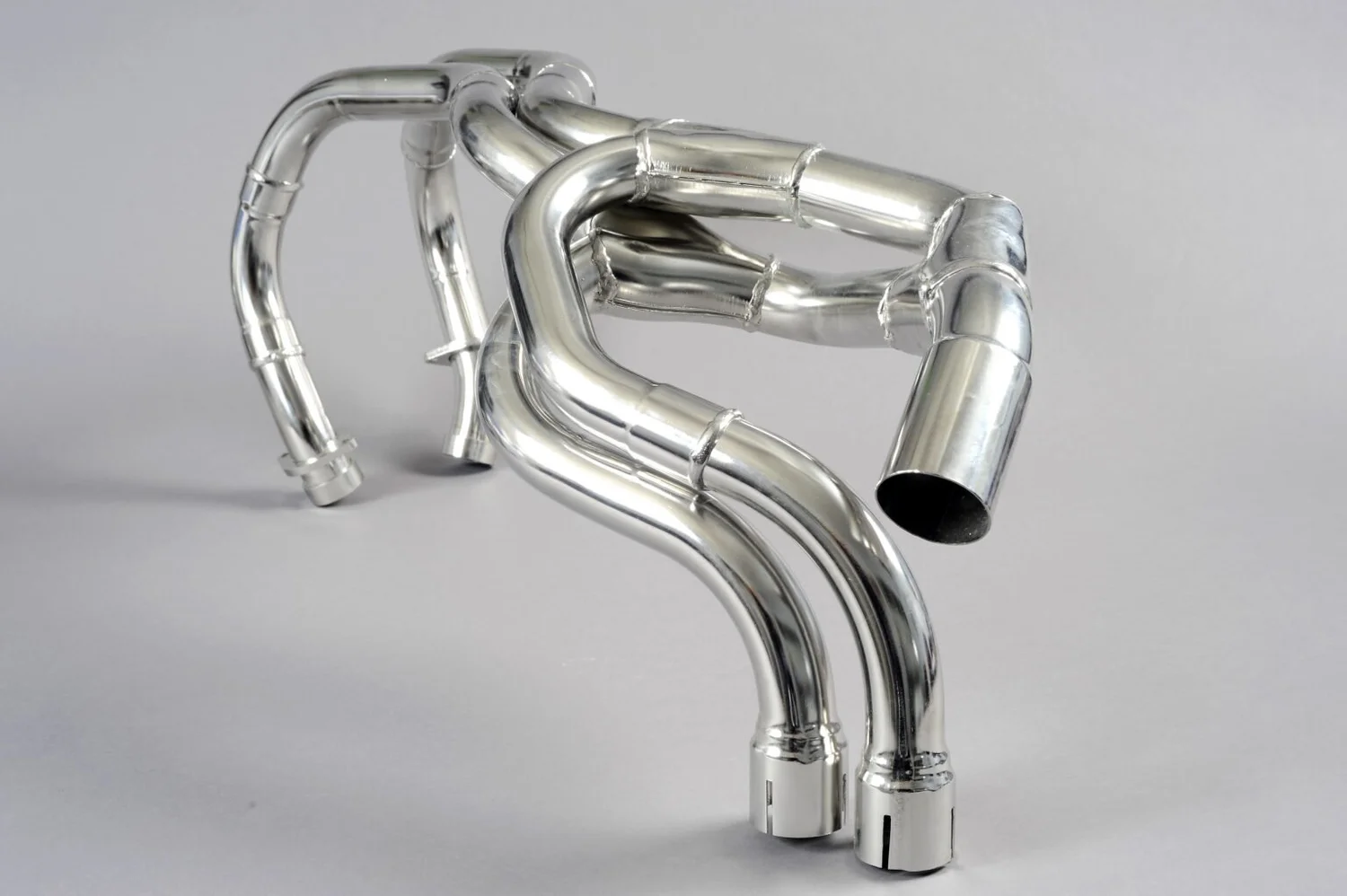
Engineered for Long-Term Corrosion Protection.
Anopol passivation treatments help stainless steel surfaces develop a clean, protective oxide layer, significantly improving corrosion resistance for components in demanding or oxygen-limited environments.
Accelerated Oxide Formation
Chemical passivation supports the rapid formation of the passive oxide layer that gives stainless steel its inherent corrosion-resistant qualities.
Passive LayerIdeal After Pickling
Where pickled items are exposed to corrosive atmospheres, passivation provides an important follow-up treatment for maximum surface protection.
Post-PicklingSupports Enclosed Parts
Passivation is especially valuable for pipework, enclosed vessels, and internal surfaces where natural oxygen exposure is limited.
Oxygen-StarvedFlexible Application
Treatment can be carried out by immersion, spray-on systems, or localised methods depending on component size and access requirements.
Treatment OptionsThe Science of Passive Layer Formation.
A controlled chemical treatment designed to enhance the natural protective properties of stainless steel and improve corrosion resistance in demanding industrial environments.
Accelerating the surface layer stainless steel relies on.
Stainless steel naturally forms a passive oxide layer when exposed to oxygen. Passivation helps accelerate and support that layer, particularly where surfaces may be enclosed, internal, or exposed to corrosive atmospheres.
Surface Preparation
Components are assessed and cleaned to ensure the stainless steel surface is suitable for effective passive oxide layer formation.
Chemical Treatment
Parts are treated using carefully controlled passivating solutions, selected according to material grade and service environment.
Oxide Acceleration
The treatment accelerates formation of the chromium-rich passive oxide layer, supporting improved corrosion resistance.
Rinsing & Inspection
Components are thoroughly rinsed and inspected to ensure a clean, passive, and application-ready surface finish.
Beyond Stainless Steel.
Anopol provides cleaning, pickling, and passivating products in liquid and paste form for stainless steel and a wide range of specialist metals. We also supply passivation services for demanding alloy systems used in corrosive and high-performance environments.
Built for Corrosion-Critical Components and Enclosed Systems.
Passivation is widely used where stainless steel components require enhanced corrosion resistance, especially after pickling or where natural oxygen exposure may be restricted.
Passivation Insights.
What is stainless steel passivation?
Passivation is a non-electrolytic chemical treatment that removes free iron from the surface of stainless steel. This process accelerates the formation of a protective, chromium-rich oxide layer that provides essential corrosion resistance.
Is passivation always necessary?
While stainless steel is naturally passive, chemical passivation is highly recommended for components used in corrosive environments or oxygen-starved systems, such as pipework, enclosed vessels, and medical devices.
Should stainless steel be passivated after pickling?
Yes. Pickling removes the existing protective layer along with contaminants. Passivation ensures that a new, uniform oxide layer forms quickly and effectively, which is vital for marine, coastal, and chemical installations.
Is passivation required after electropolishing?
Additional passivation is generally not required following electropolishing. The electrolytic process already removes iron and surface imperfections, leaving behind an exceptionally clean, chromium-rich, and inherently passive surface.
Can Anopol supply passivation equipment and chemicals?
Yes. Anopol supports customers wishing to establish in-house processing. We supply high-performance treatment chemicals, turnkey equipment, and water treatment systems designed specifically for stainless steel pickling and passivation.