
What Industries Use Electropolishing, Pickling and Passivation?
Part of the Anopol Academy, a growing collection of technical guides designed to help engineers, fabricators and manufacturers better understand stainless steel surface engineering.
Stainless steel is one of the world's most versatile engineering materials. It is used in everything from pharmaceutical production and food manufacturing to aerospace engineering, chemical processing and marine applications.
However, stainless steel does not simply leave the fabrication shop ready for service.
Welding, machining, forming and handling all affect the surface of the material. Heat tint, oxide scale, embedded contamination and microscopic surface imperfections can reduce corrosion resistance and compromise both appearance and performance.
This is where specialist surface treatments become essential.
Electropolishing, pickling and passivation each perform a different role in restoring, improving and protecting stainless steel.
Choosing the correct treatment can significantly improve corrosion resistance, hygiene, cleanability, durability and the overall lifespan of a component.
Whether you manufacture pressure vessels, pharmaceutical equipment, food processing systems or precision engineering components, understanding these processes will help you specify the most appropriate finish for your application.
In this guide, we explore where each process is used, why it matters and which industries rely on these specialist treatments every day.
Surface Treatment Process
Electropolishing
Electropolishing removes a controlled microscopic layer from the surface of stainless steel using an electrochemical process.
- Creates a smoother surface finish
- Improves corrosion resistance
- Enhances cleanability
- Reduces microscopic burrs and surface irregularities
Surface Treatment Process
Pickling
Pickling removes heat tint, oxide scale and surface contamination created during welding and fabrication.
- Removes welding discolouration
- Restores the stainless steel surface
- Removes oxide scale and fabrication residues
- Prepares components for service or further treatment
Surface Treatment Process
Passivation
Passivation removes free iron and other surface contaminants while supporting the formation of stainless steel’s protective chromium-rich oxide layer.
- Improves corrosion resistance
- Removes embedded iron contamination
- Supports long-term component performance
- Does not significantly alter dimensions or appearance
Why Surface Treatment Matters
Many people assume that because stainless steel is described as "stainless", it cannot corrode.
In reality, stainless steel owes its corrosion resistance to an extremely thin chromium oxide layer that naturally forms on its surface. If that layer becomes damaged during fabrication or contaminated with free iron, corrosion can occur surprisingly quickly.
Surface treatments restore and enhance this protective layer, helping manufacturers achieve better performance, longer service life and improved reliability.
The correct treatment depends on several factors, including the manufacturing process, operating environment, hygiene requirements and the relevant industry standards.
Food & Beverage Manufacturing
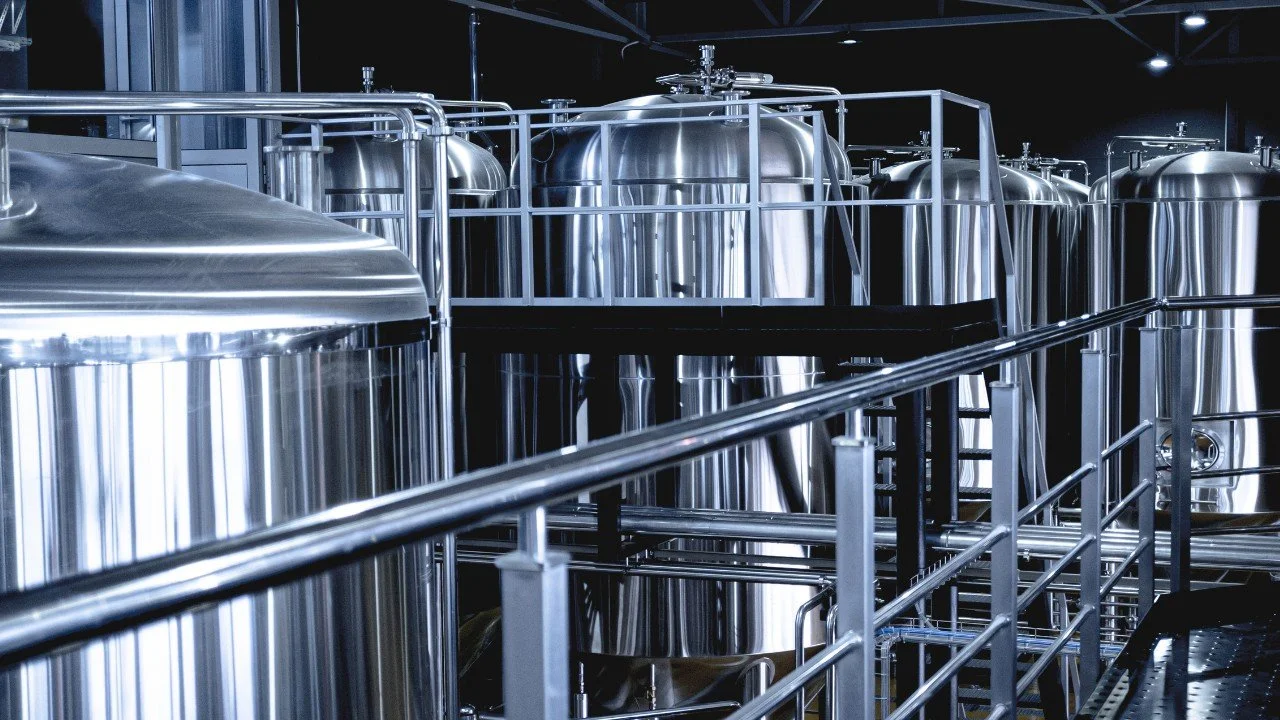
Few industries demand higher standards of cleanliness than food production.
Every surface that comes into contact with food must be easy to clean, resistant to corrosion and capable of withstanding regular wash-down procedures using aggressive cleaning chemicals.
Even microscopic surface imperfections can provide places where food residues, moisture and bacteria accumulate.
Electropolishing produces an exceptionally smooth surface that significantly reduces these microscopic crevices, making equipment easier to clean and helping manufacturers maintain consistently high hygiene standards.
Common applications include:
Mixing vessels
Dairy processing equipment
Brewing systems
Stainless steel pipework
Filling lines
Conveyor systems
Storage tanks
Heat exchangers
Pickling is commonly carried out after fabrication to remove weld heat tint and oxide scale, while passivation provides additional protection by restoring the stainless steel's corrosion-resistant surface.
Together, these treatments help manufacturers improve product quality, simplify cleaning procedures and extend equipment life.
Industry Insight
Why Food Manufacturers Choose Electropolishing
Electropolishing creates an exceptionally smooth stainless steel surface, making equipment easier to clean and reducing the risk of product residues and bacterial contamination. For food manufacturers, this means improved hygiene, more efficient cleaning procedures and enhanced long-term corrosion resistance in demanding production environments.
Pharmaceutical and Biotechnology
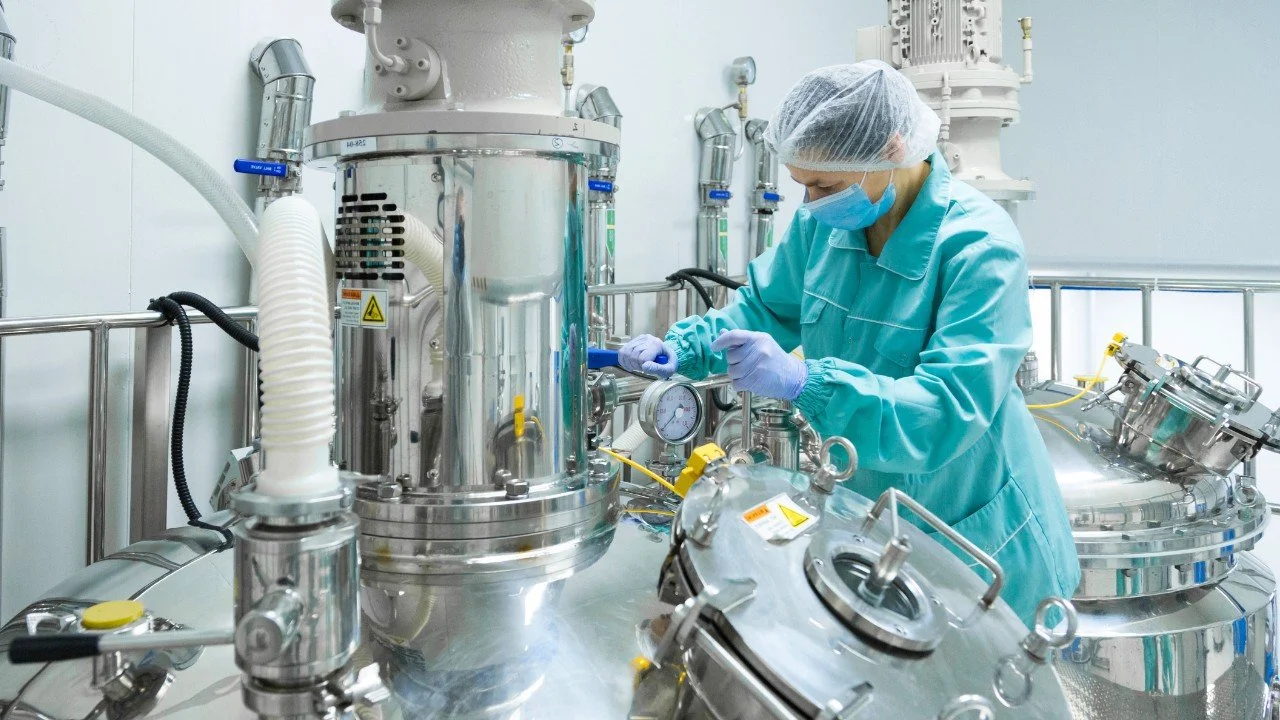
The pharmaceutical and biotechnology sectors demand exceptionally high standards of cleanliness, corrosion resistance and process reliability. Stainless steel equipment is routinely exposed to aggressive cleaning regimes, purified water systems and highly controlled production environments where even microscopic contamination can compromise product quality.
Surface finish is therefore far more than an aesthetic consideration. It directly influences cleanability, product purity and long-term equipment performance.
Electropolishing is widely specified because it produces an ultra-smooth surface that minimises microscopic peaks and valleys where contaminants can become trapped. This helps reduce particle adhesion, improves drainage during cleaning and supports validated cleaning procedures.
For manufacturers operating under stringent quality systems, these characteristics are essential.
Typical pharmaceutical applications include:
Process vessels
Mixing tanks
High-purity pipework
Water for Injection (WFI) systems
Cleanroom equipment
Bioreactors
Filter housings
Stainless steel fittings and manifolds
During fabrication, welding creates heat tint and oxide layers that reduce the natural corrosion resistance of stainless steel. Pickling removes these affected layers, restoring a clean, chemically active surface before the equipment enters service.
Passivation is then used to remove any free iron contamination introduced during manufacturing or handling, strengthening the chromium-rich oxide layer that protects stainless steel against corrosion.
Together, electropolishing, pickling and passivation help pharmaceutical manufacturers maintain consistent product quality while extending the service life of critical production equipment.
ENGINEERING INSIGHT
Surface Finish Can Influence Product Quality
In pharmaceutical manufacturing, stainless steel surfaces are expected to withstand repeated cleaning and sterilisation without compromising corrosion resistance. Electropolishing helps create a smoother, more uniform surface that supports hygienic design and simplifies cleaning validation.
Medical Device Manufacturing
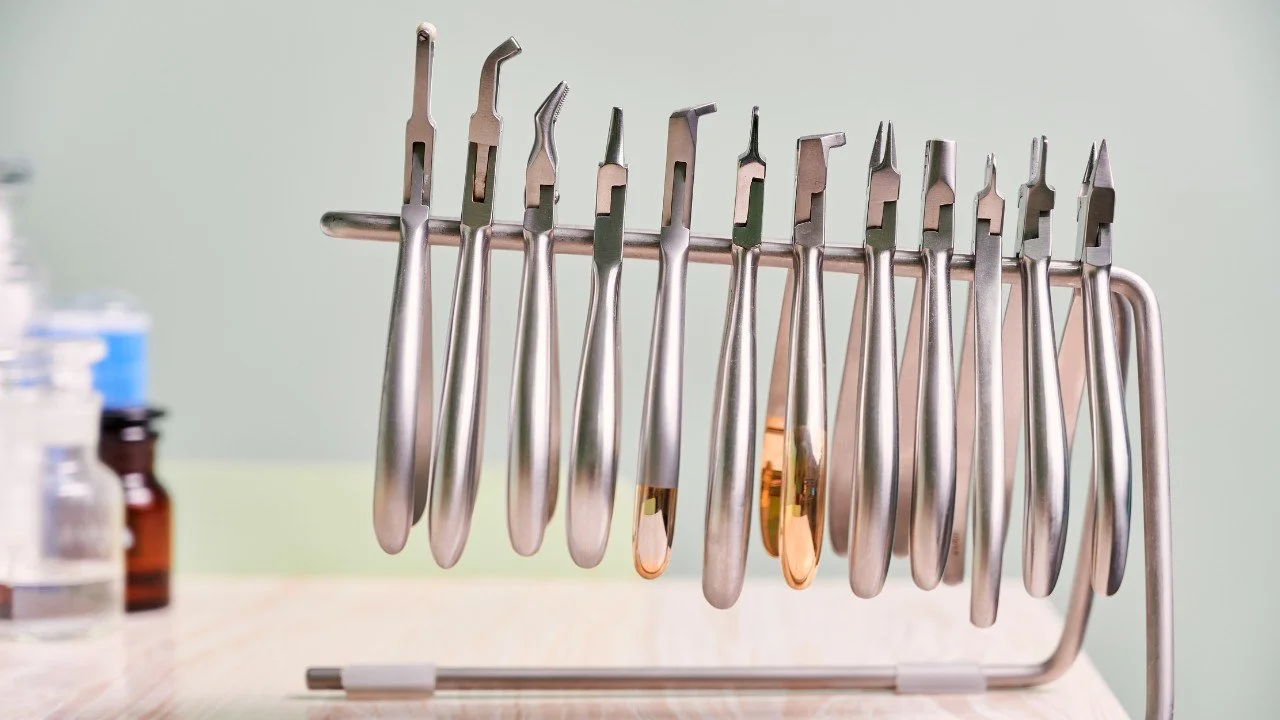
Medical devices are expected to perform reliably in some of the world's most demanding environments. From surgical instruments and orthopaedic implants to dental equipment and diagnostic devices, manufacturers require components that are durable, corrosion resistant and capable of repeated sterilisation.
Surface condition plays a significant role in achieving these requirements.
Electropolishing improves the finish of stainless steel by removing microscopic surface imperfections and reducing roughness. The result is a cleaner, brighter surface that is easier to sterilise and less likely to retain contaminants.
For many precision components, the process also removes fine burrs left behind during machining, improving both appearance and functionality without significantly altering critical dimensions.
Common applications include:
Surgical instruments
Orthopaedic implants
Dental instruments
Endoscopic equipment
Medical trays
Laboratory equipment
Diagnostic systems
Where fabrication involves welding or extensive machining, pickling removes oxide layers and heat tint before passivation restores the stainless steel's protective oxide film.
These complementary processes help manufacturers meet demanding performance and quality expectations while supporting the long-term reliability of medical devices.
APPLICATION SPOTLIGHT
Medical Devices Demand Precision
From surgical instruments and orthopaedic implants to laboratory equipment and diagnostic devices, medical components rely on exceptionally clean, corrosion-resistant stainless steel surfaces. Electropolishing helps improve cleanability, remove microscopic burrs and create a smooth, uniform finish that supports repeated sterilisation and long-term performance.
Semiconductor Manufacturing
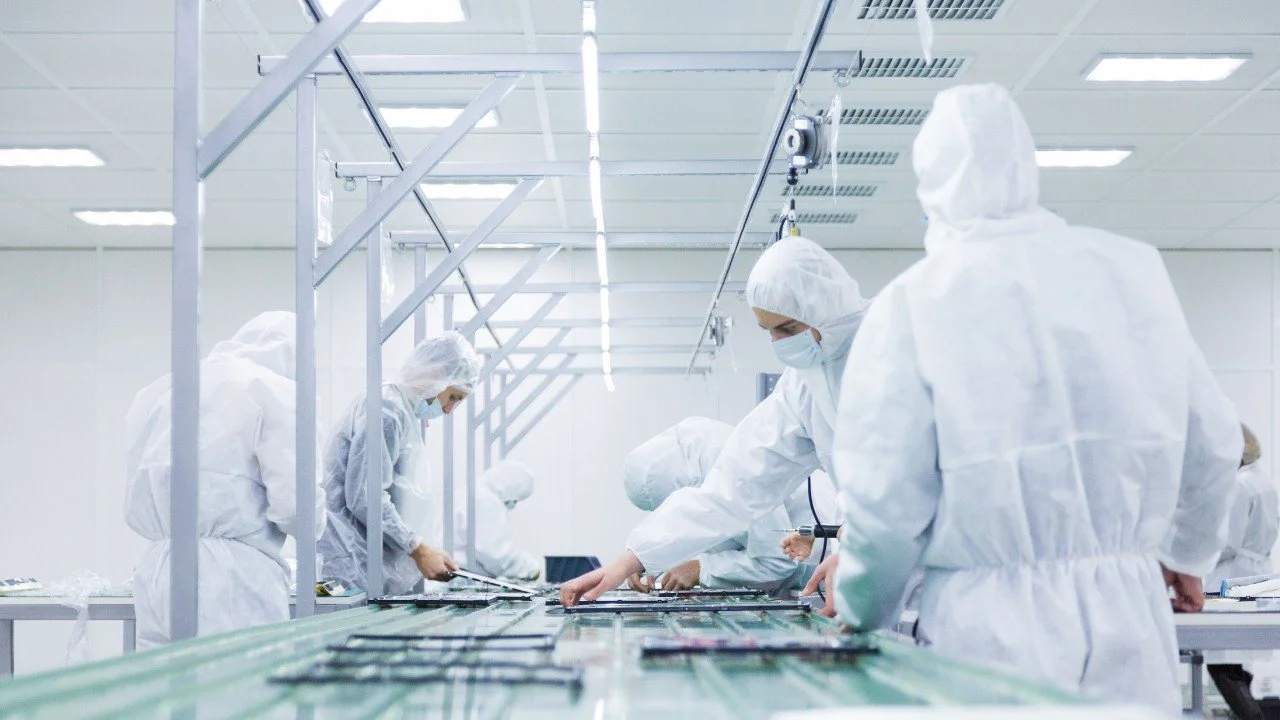
The semiconductor industry operates in environments where microscopic contamination can have significant consequences. Components used in semiconductor fabrication must meet exceptionally high standards of cleanliness, corrosion resistance and surface integrity to support reliable manufacturing processes.
Even tiny particles or surface imperfections can affect product quality, making the condition of stainless steel components critically important.
Electropolishing is widely specified for semiconductor applications because it creates an ultra-smooth surface that reduces particle adhesion and improves cleanability. By removing microscopic peaks and valleys, the process helps minimise areas where contaminants can become trapped, supporting the stringent cleanliness requirements of semiconductor production.
Typical applications include:
Ultra-high-purity (UHP) gas distribution systems
Stainless steel tubing and pipework
Vacuum chambers
Process vessels
Chemical delivery systems
Precision valves and fittings
Semiconductor manufacturing equipment
Following fabrication, pickling removes heat tint and oxide scale created during welding, while passivation helps restore the protective chromium oxide layer that gives stainless steel its corrosion resistance.
Together, these treatments help manufacturers produce components capable of performing reliably within highly controlled manufacturing environments where consistency and cleanliness are essential.
TECHNICAL NOTE
Surface Quality Supports Process Reliability
Semiconductor manufacturing demands exceptionally clean stainless steel components. Electropolished surfaces reduce microscopic surface roughness, helping minimise particle retention and supporting the ultra-high-purity environments required for advanced semiconductor production.
Aerospace Engineering
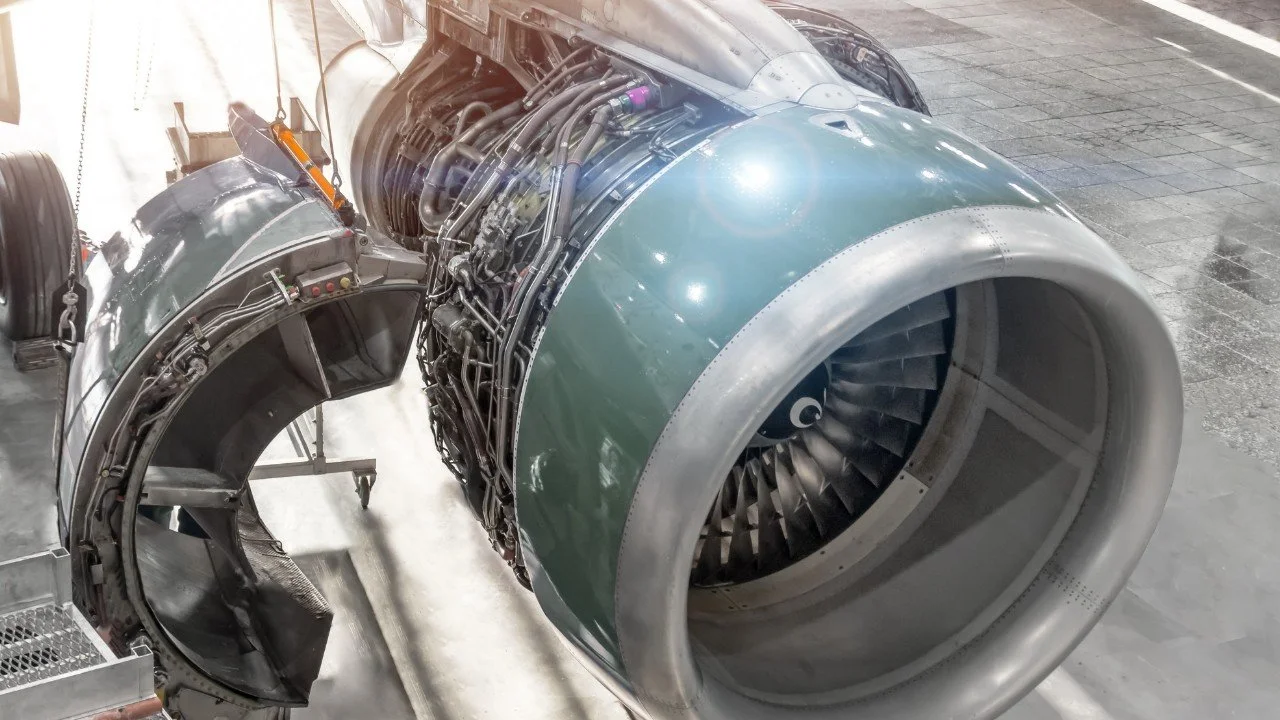
Aerospace components operate in some of the most demanding environments imaginable. From extreme temperature variations and high mechanical loads to continuous exposure to moisture, fuels and hydraulic fluids, every component must perform consistently throughout its service life.
Surface condition plays a critical role in achieving this reliability.
Electropolishing is often specified for aerospace applications where improved corrosion resistance, smoother surface finishes and the removal of microscopic surface imperfections are required. The process enhances the condition of stainless steel components without significantly affecting dimensional accuracy, making it well suited to precision-engineered parts.
Where components have been welded or fabricated, pickling removes heat tint and oxide scale that can reduce corrosion resistance, while passivation removes free iron contamination and supports the formation of the protective chromium oxide layer.
These treatments help manufacturers improve the performance and longevity of critical aerospace components while maintaining the high standards expected throughout the industry.
Typical aerospace applications include:
Hydraulic tubing and fittings
Fuel system components
Precision machined parts
Aircraft brackets and fasteners
Instrumentation components
Process pipework
Ground support equipment
Stainless steel fabrications
Whether manufacturing new components or restoring fabricated assemblies, selecting the correct surface treatment helps improve reliability, simplify maintenance and extend operational life.
WHY IT MATTERS
Performance Starts at the Surface
Surface treatments do more than improve appearance. In aerospace engineering, they help protect stainless steel components against corrosion, remove fabrication-related contamination and support the long-term reliability expected in safety-critical applications.
Process Overview
Industries at a Glance
The most suitable surface treatment depends on the component, fabrication method, operating environment and required finish. This overview shows where electropolishing, pickling and passivation are commonly applied.
| Industry | Electropolishing | Pickling | Passivation |
|---|---|---|---|
| Food & Beverage | Commonly used | Commonly used | Commonly used |
| Pharmaceutical & Biotechnology | Commonly specified | Used after fabrication | Commonly specified |
| Medical Devices | Commonly used | Application dependent | Commonly used |
| Semiconductor Manufacturing | Frequently specified | Used after welding | Commonly used |
| Aerospace Engineering | Application dependent | Used after fabrication | Commonly specified |
| Oil, Gas & Energy | Application dependent | Commonly used | Commonly used |
| Chemical Processing | Application dependent | Commonly used | Commonly used |
| Water Treatment | Application dependent | Used after fabrication | Commonly used |
| Marine Engineering | Application dependent | Used after fabrication | Commonly used |
| Architectural Metalwork | Commonly used | Used after welding | Application dependent |
This table provides a general guide only. The correct treatment should be selected according to the alloy, component geometry, fabrication history, operating conditions and applicable specification.
Oil, Gas and Energy
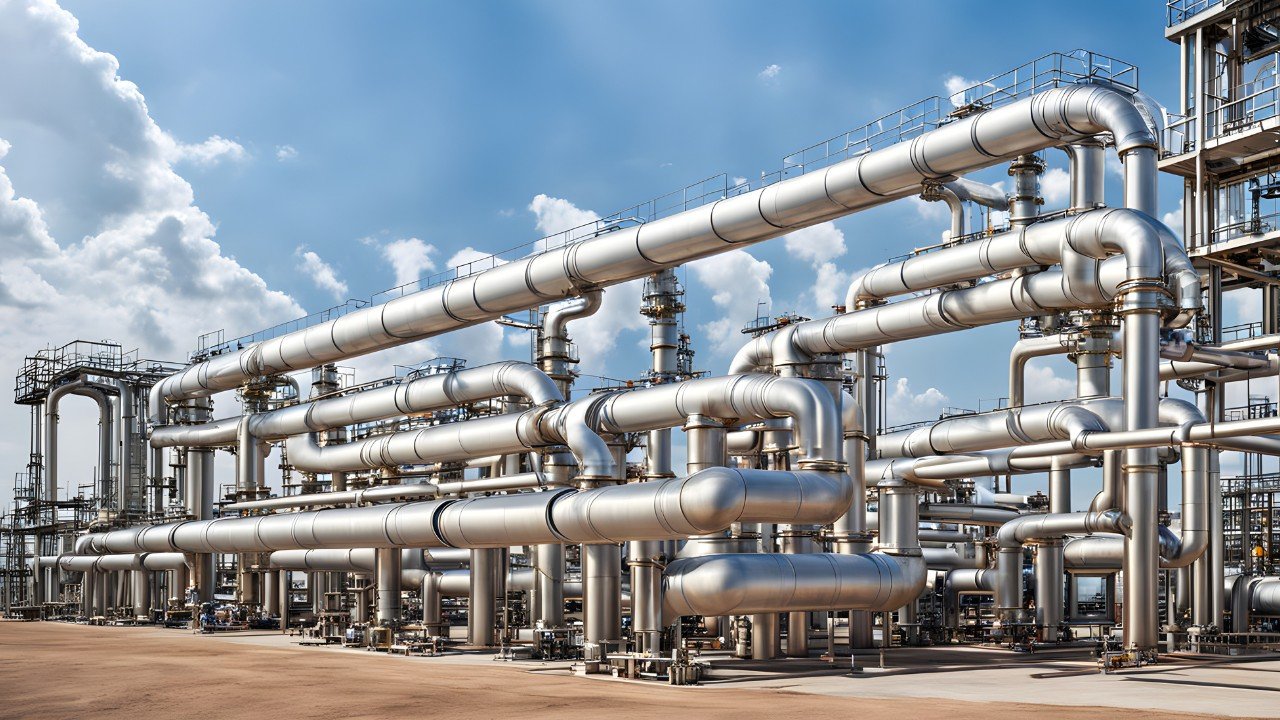
Stainless steel components used within the oil, gas and energy sectors must perform reliably in some of the harshest operating environments. Exposure to aggressive chemicals, high pressures, elevated temperatures and corrosive atmospheres places significant demands on both the material and its surface condition.
Surface treatments help maximise corrosion resistance, improve reliability and extend the service life of critical components.
Following fabrication, welding leaves heat tint and oxide layers on the surface of stainless steel. If left untreated, these areas can reduce corrosion resistance and become potential sites for localised corrosion. Pickling removes these affected layers, restoring a clean surface before equipment is placed into service.
Passivation is then used to remove free iron contamination and strengthen the protective chromium oxide layer that gives stainless steel its corrosion-resistant properties.
Where applications demand exceptionally smooth internal surfaces, electropolishing may also be specified to improve cleanability, reduce product build-up and optimise flow characteristics.
Typical applications include:
Pressure vessels
Heat exchangers
Process pipework
Valves and manifolds
Instrumentation components
Offshore equipment
Hydrogen and energy infrastructure
Fabricated stainless steel assemblies
Selecting the correct surface treatment not only improves the longevity of components but also helps reduce maintenance requirements and supports reliable operation in demanding industrial environments.
INDUSTRY CHALLENGE
Corrosion Never Stops
Whether operating offshore, within chemical processing plants or across modern energy infrastructure, stainless steel is continually exposed to demanding conditions. Correct surface treatment helps restore corrosion resistance after fabrication and supports long-term reliability throughout the life of the component.
Chemical Processing
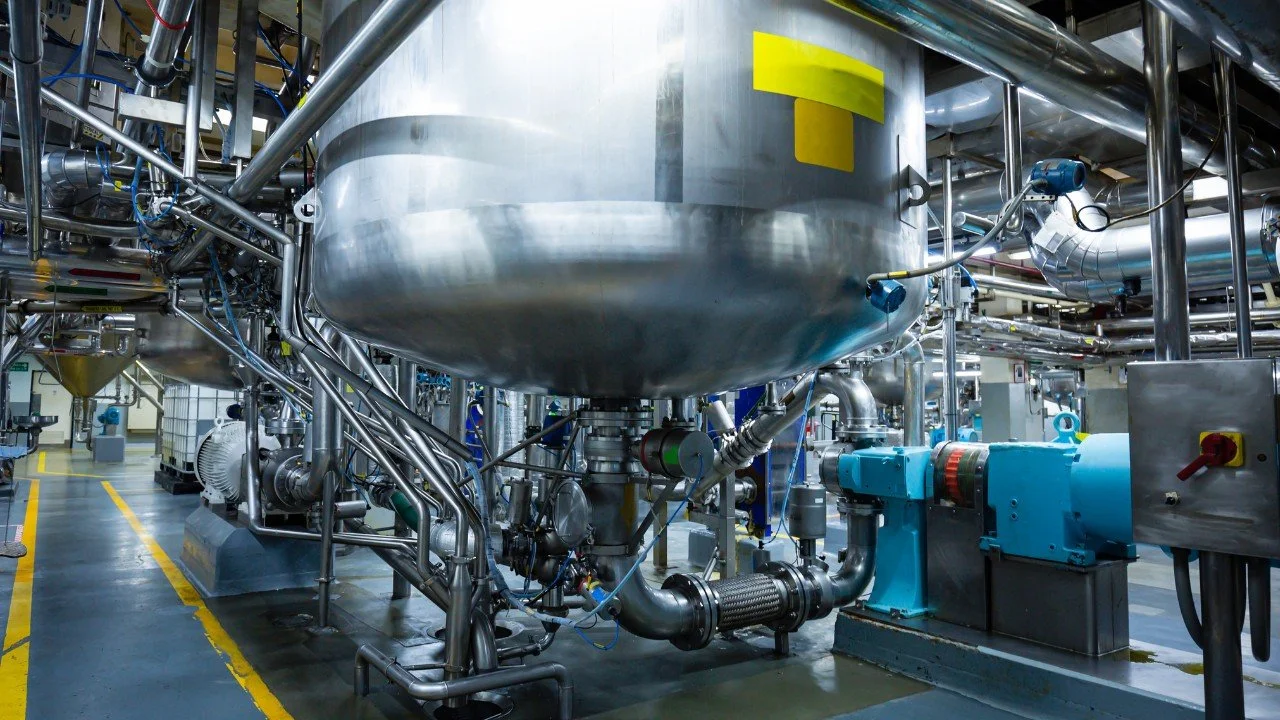
Chemical processing plants rely heavily on stainless steel because of its strength and resistance to corrosion. However, exposure to aggressive chemicals, elevated temperatures and continuous production cycles means the condition of the surface is critical to long-term performance.
During fabrication, welding and machining can leave oxide layers, heat tint and contamination that reduce corrosion resistance if not removed correctly.
Pickling restores the stainless steel surface by removing these affected layers, while passivation removes free iron contamination and promotes the formation of the protective chromium oxide film.
For applications requiring exceptionally clean or smooth internal surfaces, electropolishing can further improve corrosion resistance and reduce product build-up within process equipment.
Typical applications include:
Chemical reactors
Mixing vessels
Storage tanks
Heat exchangers
Process pipework
Pumps and valves
Filtration equipment
Bulk chemical handling systems
By selecting the appropriate surface treatment, manufacturers can improve equipment durability, simplify maintenance and maximise operational reliability in demanding chemical processing environments.
Water Treatment
Water treatment facilities operate continuously in environments where equipment is exposed to moisture, chemicals and changing operating conditions. Maintaining corrosion resistance is essential to ensure long service life, minimise maintenance and support reliable operation.
Stainless steel is widely used throughout the sector because of its durability and resistance to corrosion. However, fabrication processes such as welding and machining can affect the surface, reducing its natural corrosion resistance if left untreated.
Pickling removes weld scale and heat tint, restoring the stainless steel surface following fabrication. Passivation removes free iron contamination while strengthening the chromium oxide layer that protects the material against corrosion.
Where exceptionally smooth surfaces are required, electropolishing can improve cleanability and reduce the build-up of deposits within process equipment.
Typical applications include:
Water treatment tanks
Filtration systems
Pump components
Process pipework
Valves and manifolds
Stainless steel fabrications
Correct surface treatment helps water treatment operators improve reliability while extending the service life of critical assets.
ENGINEERING FACT
Long-Term Reliability Starts with Surface Preparation
Removing contamination created during fabrication helps stainless steel maintain its natural corrosion resistance, reducing maintenance requirements and extending equipment life in demanding water treatment environments.
Marine Engineering

Marine environments present one of the greatest challenges for stainless steel. Saltwater, airborne chlorides and continual exposure to moisture accelerate corrosion, making correct surface treatment essential for long-term performance.
Fabricated components often undergo pickling to remove heat tint and oxide scale following welding. Passivation then restores the stainless steel's protective chromium oxide layer, helping the material resist corrosion in aggressive coastal and offshore environments.
Electropolishing may also be specified where improved surface smoothness, easier cleaning or enhanced corrosion resistance is required.
Typical applications include:
Marine pipework
Boat fittings
Offshore structures
Pumps and valves
Coastal infrastructure
Stainless steel fabrications
Selecting the correct surface treatment helps marine engineers improve durability, reduce maintenance and maximise component life.
DID YOU KNOW?
Marine Environments Accelerate Corrosion
Saltwater exposure significantly increases the risk of corrosion. Restoring and protecting the stainless steel surface after fabrication helps maximise durability in challenging marine applications.
Architectural Metalwork
Surface finish plays an important role in architectural stainless steel. Whether used on commercial buildings, transport infrastructure or public spaces, stainless steel is expected to deliver both long-term durability and an attractive appearance.
Electropolishing is often selected because it produces a bright, smooth finish that is easier to maintain while improving corrosion resistance. This is particularly beneficial in coastal or heavily polluted environments where stainless steel is exposed to airborne contaminants.
Pickling removes welding discolouration following fabrication, while passivation helps restore the protective chromium oxide layer that gives stainless steel its corrosion-resistant properties.
Typical applications include:
Handrails and balustrades
Building façades
Public infrastructure
Decorative architectural features
Transport hubs
Commercial developments
For architects, fabricators and contractors, the correct surface treatment helps ensure stainless steel continues to perform and look its best for many years.
Choosing the Right Surface Treatment
Selecting the correct surface treatment depends on several factors, including the manufacturing process, the operating environment and the required performance of the finished component.
While electropolishing, pickling and passivation all improve the condition of stainless steel, each process has a distinct purpose and should be selected according to the application's specific requirements.
If the objective is to produce an exceptionally smooth, clean and corrosion-resistant surface, electropolishing is often the preferred solution. It is widely used where hygiene, cleanability and cosmetic appearance are important, including food manufacturing, pharmaceuticals and medical devices.
Where stainless steel has been welded or fabricated, pickling removes heat tint, oxide scale and surface contamination that can reduce corrosion resistance. It restores the surface before the component enters service or undergoes further treatment.
Passivation is commonly used to remove free iron contamination and strengthen the natural chromium oxide layer that protects stainless steel from corrosion. It is particularly valuable for precision components and fabricated assemblies where long-term corrosion resistance is essential.
Many manufactured components benefit from more than one treatment. For example, fabricated stainless steel may first be pickled to remove welding oxides before being passivated to maximise corrosion resistance. In applications requiring exceptionally smooth surfaces, electropolishing may then provide additional performance benefits.
Ultimately, the most appropriate process depends on the material grade, fabrication history, operating conditions and the performance expected from the finished component.
Talk to Our Technical Team
Need Advice on the Right Surface Treatment?
Whether you're manufacturing food processing equipment, pharmaceutical systems, pressure vessels or precision-engineered components, our specialists can help you select the most appropriate surface treatment for your application.
Speak to AnopolFrequently Asked Questions
Good engineering begins with asking the right questions. Below are some of the most common queries we receive about electropolishing, pickling and passivation.
Can stainless steel still rust?
Yes. Although stainless steel is highly corrosion resistant, welding, fabrication, contamination and exposure to aggressive environments can damage or weaken the protective chromium oxide layer. Correct surface treatment helps restore this protection.
What is the difference between electropolishing and passivation?
Electropolishing removes a microscopic layer of metal, producing a smoother and cleaner surface while improving corrosion resistance.
Passivation does not significantly alter the surface finish. Instead, it removes free iron contamination and strengthens the naturally occurring chromium oxide layer.
Is pickling always required after welding?
Not always, but it is commonly recommended where weld heat tint and oxide scale need to be removed to restore corrosion resistance.
Which industries use electropolishing most?
Electropolishing is widely used throughout:
Food and beverage manufacturing
Pharmaceutical production
Medical device manufacturing
Semiconductor manufacturing
Aerospace engineering
Chemical processing
Marine engineering
Does electropolishing improve corrosion resistance?
Yes. Removing microscopic surface imperfections allows the passive chromium oxide layer to form more uniformly, improving corrosion resistance and making the surface easier to clean.
Can all grades of stainless steel be electropolished?
Many grades can be electropolished successfully, although results vary depending on the alloy and the component geometry. A technical assessment is always recommended.
Why is passivation important?
Passivation removes free iron contamination that may have been introduced during fabrication or handling. This helps restore the stainless steel's natural corrosion resistance.
Can fabricated components benefit from multiple treatments?
Yes. Many fabricated components are first pickled to remove welding oxides before being passivated. Where enhanced surface finish or cleanability is required, electropolishing may also be specified.
Why Choose Anopol?
For more than 50 years, Anopol has been helping manufacturers improve the performance, durability and appearance of stainless steel through specialist surface treatment services.
Working with customers across industries including food manufacturing, pharmaceuticals, medical devices, aerospace, chemical processing and energy, our experienced team understands that every component has different technical requirements.
Whether you require electropolishing, pickling, passivation or advice on selecting the most appropriate process, we work closely with customers to deliver surface treatments that support long-term performance, corrosion resistance and manufacturing quality.
From one-off precision components to high-volume production batches, every project receives the same technical attention and commitment to quality.
If you would like to discuss an existing component, a new product or a fabrication project, our technical team will be pleased to help identify the most appropriate surface treatment for your application.